When you think of coffee, odds are the image that springs to mind is a steaming cup of hot, aromatic brew - perhaps cradled in your hands on a crisp morning, or sipped slowly in a quiet café. For centuries, hot coffee has been the bedrock of coffee culture, from the bustling streets of Istanbul to modern specialty shops in Tokyo, New York, and beyond.
Despite the recent surge of cold brew, iced lattes, and ready-to-drink coffee beverages, hot coffee remains the gold standard for experiencing the beverage in its purest, most evocative form. This blog post dives deep into the rich world of hot coffee - exploring its origins, science, brewing techniques, cultural significance, and enduring role in both personal rituals and the global coffee industry.
1. A Short History of Hot Coffee: From Discovery to Global Icon
The story of hot coffee begins in the Ethiopian highlands, where legend tells of a goatherd named Kaldi who discovered his goats were unusually energetic after eating berries from a certain tree. These berries were coffee cherries, and what began as a curious local custom eventually spread across the Arabian Peninsula.
In the Arab world, coffee beans were roasted, ground, and brewed with hot water, creating a dark, invigorating beverage known as qahwa.
By the time coffeehouses began opening across Europe in the 17th century, the preparation and consumption of hot coffee had transformed from a local custom into a worldwide phenomenon.
Hot coffee’s caffeine content varies depending on factors like bean type, roast level, grind size, and brewing method. Generally, an 8-ounce cup of hot coffee contains between 70 to 140 milligrams of caffeine, but this number isn’t fixed. Arabica beans, known for their smoother flavor, usually hold less caffeine than Robusta beans, which are more bitter and caffeine-rich. Additionally, lighter roasts often contain slightly more caffeine by volume than darker roasts, even though the difference is subtle. Brewing techniques such as espresso, French press, or pour-over can also influence caffeine levels, as each method extracts caffeine differently based on water temperature, brew time, and coffee-to-water ratio.
For those wanting to measure their caffeine intake more precisely, a caffeine calculator is a helpful tool. This calculator estimates the caffeine content based on the coffee type, serving size, and brew method, helping drinkers manage their daily intake. Whether you prefer a strong espresso shot or a mild drip coffee, understanding your beverage’s caffeine level is important for maintaining balanced energy and avoiding overconsumption. Hot coffee is more than a warm beverage - it’s a personalized experience shaped by variables that a caffeine calculator can help decode, ensuring both flavor and caffeine expectations are met.
2. Why Temperature Matters: The Chemistry Behind Hot Coffee
Hot water is not just a convenient way to extract coffee flavors - it's essential to the chemistry of brewing. Water temperature directly influences extraction, the process by which soluble compounds like acids, oils, sugars, and caffeine are pulled from coffee grounds into your cup.
Because at these temperatures:
Volatile Aromatics are released, creating the inviting scent that makes coffee so alluring.
Acids and Sugars are properly balanced, leading to a flavorful and nuanced cup.
Caffeine and Bitterness are extracted at a controlled rate, avoiding overly harsh flavors.
Brew too hot, and you risk 'over-extraction,' which creates a bitter, astringent taste. Brew too cool, and under-extraction leaves the coffee flat, sour, or weak.
3. The Many Forms of Hot Coffee: An Overview
Hot coffee isn't just one drink - it's an entire world of possibilities shaped by culture, technology, and tradition. Here are a few iconic forms of hot coffee:
Espresso
An Italian invention dating back to the early 20th century, espresso is made by forcing near-boiling water through finely-ground coffee under high pressure (typically 9 bars). The result is a concentrated shot with a rich crema and bold flavor.
Pour-Over Coffee
Originating from European and Japanese coffee traditions, pour-over brewing uses gravity and a controlled, manual pour to saturate coffee grounds, yielding an exceptionally clean and aromatic cup.
French Press
Also known as a cafetière, the French press uses immersion brewing to extract coffee over 4-5 minutes before separating the grounds with a mesh plunger. This method produces a full-bodied, robust brew.
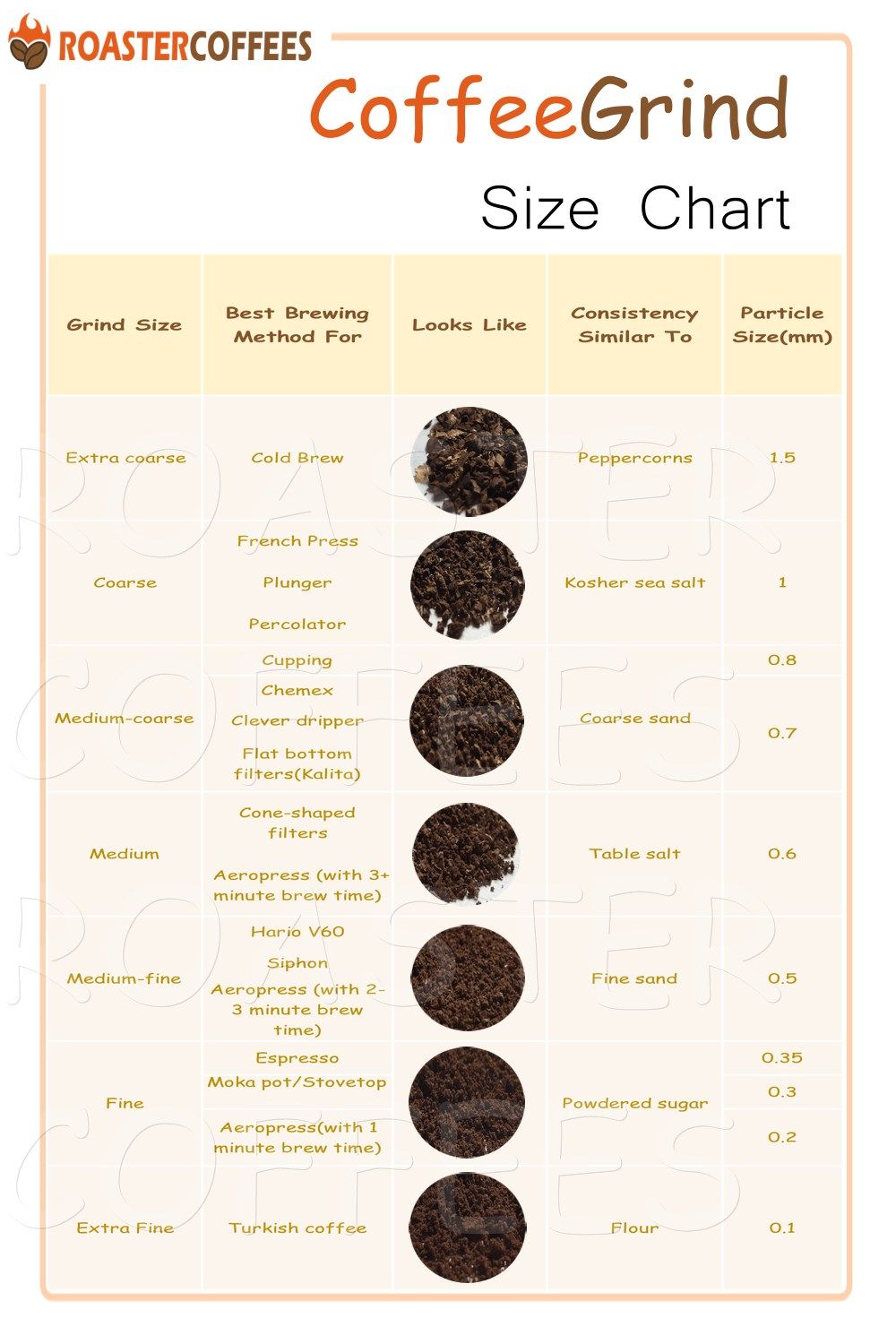
Coffee Grind Size Chart
Turkish Coffee
One of the oldest methods of brewing hot coffee, Turkish coffee is prepared by boiling finely ground coffee with water (and sometimes sugar) in a small pot called a cezve, resulting in a thick, unfiltered cup served with the grounds.
Drip Coffee
Perhaps the most common brewing method in American households, automatic drip coffee makers heat water and drip it over a basket of ground coffee, yielding a smooth, medium-bodied brew.
Each method has its own variables - grind size, water temperature, brew time - but the shared foundation is hot water and freshly ground coffee.
4. The Ritual of Hot Coffee: More Than Just a Drink
From morning routines to after-dinner conversations, the act of brewing and drinking hot coffee creates an experience rooted in comfort, social connection, and mindfulness.
Morning Rituals
The scent alone can trigger a psychological shift from drowsy to alert. Studies even suggest the smell of hot coffee can reduce stress and promote focus.
Social Bonding
In nearly every country, sharing a cup of hot coffee symbolizes hospitality and community. Whether it's Sweden's fika, Italy's espresso bar conversations, or Ethiopia's ceremonial coffee service, hot coffee fosters human connection.
5. The Flavor Science: Why Hot Coffee Tastes So Good
What makes hot coffee so satisfying is not just the caffeine kick but its intricate flavor profile, which changes as the coffee cools.
Aroma
Smell accounts for around 80% of the flavor experience, making aroma critical to enjoyment.
Flavor Perception
At higher temperatures, coffee's acids are more prominent, giving it brightness and vibrancy. As the coffee cools, sweetness and body become more apparent, revealing a different facet of the same brew.
Mouthfeel
Hot coffee is typically smoother and more balanced in texture. Certain oils and colloids in coffee are more soluble at higher temperatures, enhancing mouthfeel and creating a fuller experience.
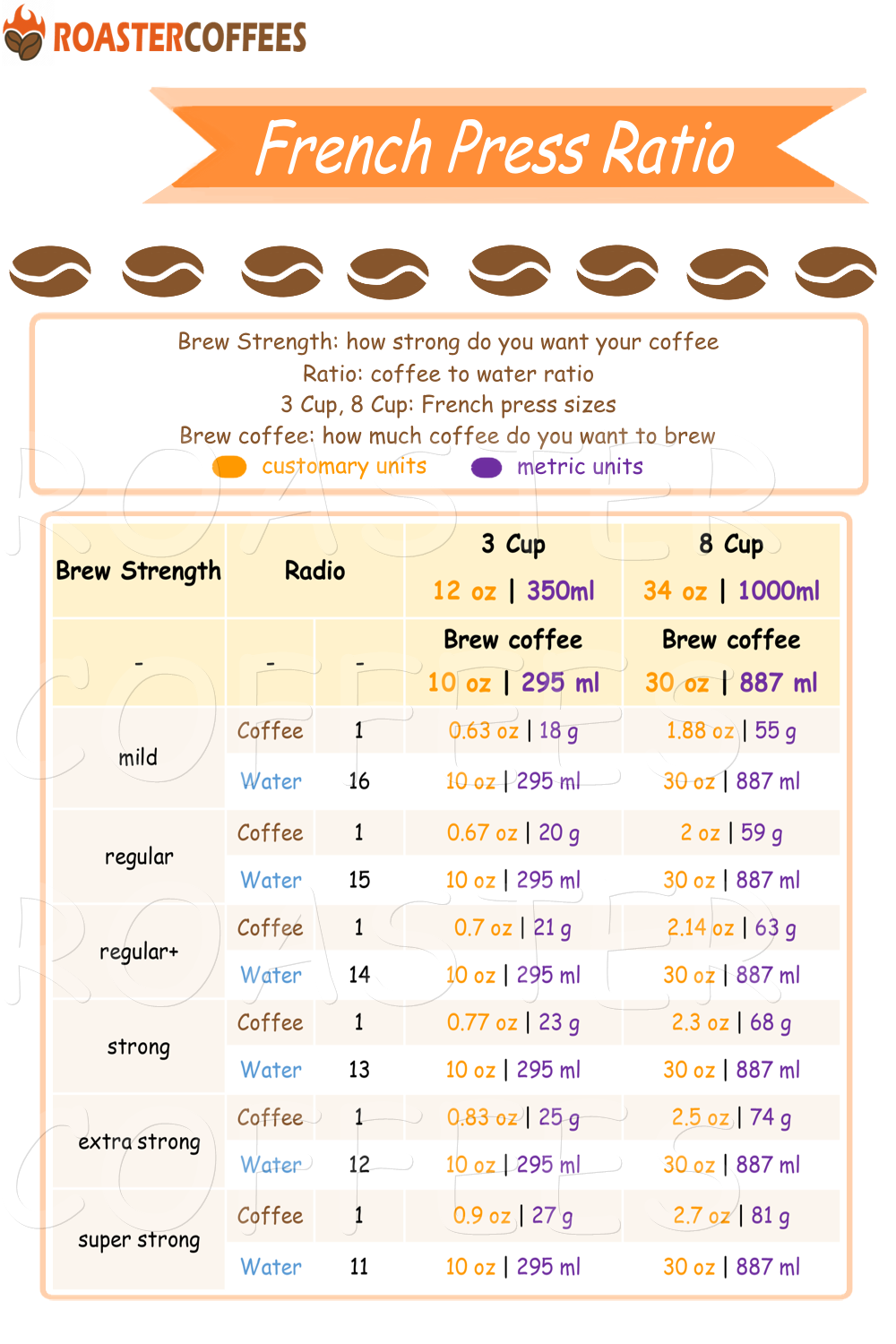
French Press Coffee Ratio
6. Brewing Hot Coffee: Tools of the Trade
Making excellent hot coffee requires both precision and craftsmanship. Here are some essential tools for brewing hot coffee at home or in a professional setting:
Kettle: A gooseneck kettle allows precise pouring control for manual brewing.
Scale: Accurate weight measurements guarantee consistency.
Thermometer: Ensures water is at the optimal temperature.
Brewing Device: Whether it's an AeroPress, Chemex, V60, or espresso machine, the right equipment can elevate your coffee ritual.
Mastering these tools and understanding their role in extraction is the hallmark of a professional coffee practitioner.
7. Sustainability and Hot Coffee: Brewing with a Conscience
Sustainability is now an essential part of the coffee conversation. The way we source, roast, and brew hot coffee can either harm or help the planet.
Ethical Sourcing
Opting for traceable, ethically sourced beans ensures fair wages and environmentally friendly practices at the farm level.
Energy Efficiency
Brewing hot coffee typically requires electricity or gas for boiling water. Using energy-efficient kettles or machines and brewing only what you plan to drink minimizes waste.
Reusable Filters and Cups
Swapping single-use paper filters and disposable cups for reusable alternatives can reduce landfill waste and the carbon footprint of your coffee habit.
The grind size of hot coffee plays a crucial role in determining the flavor, strength, and caffeine extraction of your brew. Different brewing methods require specific grind sizes to achieve the perfect cup. A coffee grind size chart is an excellent guide for matching grind size to brew style. For example, French press coffee uses a coarse grind, allowing water to steep the grounds slowly and produce a full-bodied flavor. Drip coffee, often made with automatic machines, typically uses a medium grind for balanced extraction. Espresso, on the other hand, demands a fine grind to maximize surface contact during the short, high-pressure brew time.
Using the wrong grind size can result in over-extraction or under-extraction, which directly affects taste - making the coffee too bitter or too sour. A coffee grind size chart helps prevent these issues by showing clear examples of grind textures for each brewing style, from extra coarse to superfine. Hot coffee brewed with the proper grind size enhances aroma, mouthfeel, and caffeine delivery, giving coffee lovers consistent quality. Whether using an AeroPress, pour-over, or espresso machine, adjusting the grind size with the help of a coffee grind size chart ensures that your hot coffee meets your taste preferences every time.
8. Hot Coffee vs. Cold Coffee: A Flavor Debate
While cold coffee drinks like cold brew and iced lattes have carved out a permanent place in the coffee world, hot coffee remains the purist's choice for experiencing coffee's full spectrum of flavors.
Extraction: Hot coffee extracts more oils and volatile compounds than cold brewing.
Complexity: Hot brewing reveals coffee's subtle acids, aromatics, and sweetness.
Tradition: Drinking coffee hot ties you to a lineage of coffee drinkers stretching back centuries.
While both styles have their merits, hot coffee continues to offer the most faithful expression of a coffee bean's terroir and roast profile.
9. The Future of Hot Coffee: Innovation Meets Tradition
Even in an age of innovation, hot coffee continues to evolve. From advanced brewing machines with precise temperature control to AI-driven roasting profiles, the craft of hot coffee is becoming more refined, accessible, and sustainable.
Specialty Coffee and Third Wave Movements
Roasters, baristas, and consumers now focus on origin, varietal, and ethical sourcing, elevating hot coffee to the same status as fine wine or craft beer.
Technological Advances
From the rise of smart home brewers to commercial machines with real-time brew analytics, technology is making it easier than ever to consistently brew world-class hot coffee at home and in cafés.
10. Conclusion: Hot Coffee, the Eternal Classic
Hot coffee isn't just another beverage; it's a tradition, a science, an art, and for many, a daily ritual that brings warmth and comfort. Whether enjoyed alone in silent contemplation or shared across cultures and conversations, hot coffee transcends trends and seasons.
From its ancient roots in Ethiopia to today's single-origin pour-overs, hot coffee continues to evolve while holding tight to its essence - a cup filled not only with flavors but with stories, memories, and the promise of connection.
So the next time you wrap your hands around a warm mug, take a moment to appreciate not just the taste but the centuries of culture, craft, and chemistry that have gone into making hot coffee the world's most beloved brew.
References:
How Temperature Dictates The Perfect Cup Of Coffee