Bitterness is one of the most misunderstood aspects of coffee flavor. Many consumers perceive bitterness as a flaw—something to be avoided at all costs. Yet bitterness is also an essential component of coffee’s identity, contributing depth, complexity, and structure. In fact, without bitterness, coffee would taste unbalanced, flat, and incomplete. Like acidity in wine or hops in beer, bitterness provides contrast and definition, shaping the sensory profile of every brew.
But bitterness in coffee is not a singular concept. It is multifaceted, influenced by bean genetics, roast profile, brewing techniques, water chemistry, and even the drinker’s own sensory physiology. At its best, bitterness can be elegant, delicate, or pleasantly grounding. At its worst, it can be harsh, astringent, or overwhelming. Understanding the intricate nature of coffee bitterness is essential not only for baristas and roasters but also for anyone seeking to elevate their appreciation of coffee.
This article explores bitterness through the lenses of chemistry, sensory science, processing, roasting, and brewing. As a professional coffee practitioner, I will guide you through the factors that shape bitterness, how to control it, and how to recognize the difference between desirable and undesirable bitter flavors. Ultimately, we will discover that bitterness is not the enemy—when properly understood, it becomes a powerful tool for crafting exceptional coffee experiences.
Coffee bitterness and caffeine content are related, but not in the straightforward way many people assume. While caffeine is naturally bitter, it contributes only a portion of the bitterness found in a cup of coffee. Most bitterness actually comes from compounds produced during roasting—such as chlorogenic acid lactones and phenylindanes—especially in darker roasts. These compounds intensify as roasting progresses, meaning a dark roast can taste more bitter even if it contains less caffeine than a light roast.
Caffeine content itself is more strongly influenced by bean variety, brewing method, and coffee-to-water ratio than by bitterness. For example, a lightly roasted coffee often has more caffeine but tastes brighter and less bitter, while a dark roast may taste stronger and more bitter but contain slightly reduced caffeine due to roasting loss.
This is why bitterness is an unreliable indicator of caffeine strength. To accurately understand how much caffeine you’re consuming, a caffeine calculator is far more useful. By entering your brew ratio, extraction method, and serving size, a caffeine calculator can estimate the real caffeine level in your cup. Ultimately, bitterness reflects roast chemistry, while caffeine content reflects bean biology and brewing dynamics.
1. The Chemistry Behind Coffee Bitterness
1.1 What Causes Bitterness?
Coffee bitterness arises from a group of chemical compounds produced during roasting and extraction. The primary contributors include:
- Chlorogenic acid lactones
- Phenylindanes
- Caffeine
- Melanoidins
- Lipids and volatile aromatics (in minor amounts)
While caffeine is commonly blamed for bitterness, it accounts for only a small proportion of perceived bitterness. Instead, bitterness is largely determined by the breakdown of chlorogenic acids and other compounds during roasting.
1.2 The Role of Chlorogenic Acids
Chlorogenic acids (CGAs) are antioxidants found naturally in green coffee beans. During roasting, CGAs undergo chemical changes:
Mild roasting produces chlorogenic acid lactones, which contribute to a pleasant, gentle bitterness.
Dark roasting further breaks down lactones into phenylindanes, which create a strong, sharp bitterness.
Thus, roast level dramatically influences the character of bitterness.
1.3 Caffeine’s Contribution
Although caffeine is an inherently bitter compound, it does not dominate the sensory perception of bitterness. Its bitterness is:
- Clean
- Straightforward
- Less complex than lactones or phenylindanes
In specialty coffee, caffeine is a background element rather than a primary driver of bitterness.
1.4 Maillard Reaction and Melanoidins
The Maillard reaction generates hundreds of compounds responsible for coffee’s color, aroma, and roasted flavor. Among these are melanoidins, which:
- Provide a mild, lingering bitterness
- Contribute to body and viscosity
- Enhance the perception of roast depth
Together, these compounds create a bitterness that is woven into coffee’s flavor structure, rather than standing apart as a single note.
2. The Sensory Science of Bitterness: How We Perceive It
2.1 The Physiology of Taste
Bitterness is detected by specialized taste receptors (T2R receptors) located primarily at the back of the tongue. Humans evolved heightened sensitivity to bitterness as a survival mechanism to avoid toxic plants. This evolutionary legacy explains why:
- Bitterness is often perceived more intensely than sweetness
- Individuals vary widely in their bitterness sensitivity
- Some people naturally dislike bitter flavors
2.2 Genetic Variation and Personal Preference
Bitterness perception is strongly influenced by genetics. Variants of the TAS2R38 receptor gene determine whether a person is:
A super-taster (high sensitivity)
A moderate taster
A low-sensitivity taster
Super-tasters find bitter compounds much more intense, which shapes their preference for lighter roasts and sweeter coffees.
2.3 The Role of Aromatics and Temperature
Bitterness does not exist in isolation. Coffee flavor develops through the interplay of:
- Aroma compounds
- Acidity
- Sweetness
- Temperature
- Mouthfeel
As coffee cools, bitterness often becomes more pronounced due to:
Reduced sweetness
Increased perception of phenolic compounds
Greater aromatic clarity
This is why many tasters experience bitterness more strongly when a cup has cooled significantly.
3. Bitterness in the Bean: Origin, Variety, and Processing
3.1 Arabica vs. Robusta
Arabica coffees tend to have lower bitterness, while Robusta varieties contain:
- Higher caffeine
- Higher CGA levels
- More phenolic bitterness
Robusta’s bitterness is often described as woody, rubbery, or earthy, depending on processing quality.
3.2 Elevation and Terroir
High-elevation coffees develop:
- Denser cell structures
- More complex sugars
- Lower levels of bitterness-causing compounds
Low-elevation coffees generally have more bitterness and fewer delicate aromatics.
3.3 Processing Method Effects
Processing influences bitterness significantly:
Washed coffees tend to have lower bitterness and cleaner profiles.
Natural coffees can have mild bitterness due to fruit fermentation dryness.
Honey and anaerobic processes can intensify sweetness that counterbalances bitterness.
Poor processing—such as over-fermentation or inconsistent drying—can generate phenolic or medicinal bitterness, which is considered a defect.
3.4 Defects and Bitterness
Common defects associated with undesirable bitterness include:
- Over-fermented beans
- Sour or moldy beans
- Insect-damaged beans
- Black or partially black beans
- Overripe cherries
These defects introduce a harsh, lingering bitterness unrelated to roast profile.
4. Roast Level and Its Profound Impact on Bitterness
4.1 Light Roasts
Light roasts typically have:
- Lower bitterness
- Higher acidity
- Stronger aromatics
- More lactones than phenylindanes
When bitterness appears in a light roast, it is usually:
- Green
- Astringent
- Vegetal
This bitterness results from underdeveloped beans where sugars haven’t caramelized properly.
4.2 Medium Roasts
Medium roasts offer a balanced bitterness that supports:
- Sweetness
- Floral aromatics
- Fruit acidity
This is where lactone-based bitterness is most appreciated for its smoothness and pleasant structure.
4.3 Dark Roasts
Dark roasts emphasize phenylindanes, creating:
- Sharp bitterness
- Charred or smoky notes
- Heavy body
- Lower acidity
Espresso blends using dark roasts rely on this bitterness to cut through milk and sugar, creating a bold flavor foundation.
4.4 Roast Defects and Bitterness
Roasting errors can generate unpleasant bitterness, including:
- Scorching → burnt bitterness
- Tipping → acrid bitterness
- Baked roasts → flat, dull bitterness
- Over-roasting → ashy, carbon-like bitterness
A skilled roaster balances bitterness with sweetness, acidity, and aroma to achieve harmony.
5. Brewing Variables That Influence Bitterness
5.1 Extraction: The Central Mechanism
Bitterness increases with extraction. Over-extraction yields:
- Harsh phenolic bitterness
- Astringency
- Dry mouthfeel
Under-extraction produces sourness and a thin body, often mistaken for “low bitterness,” but actually indicating imbalance.
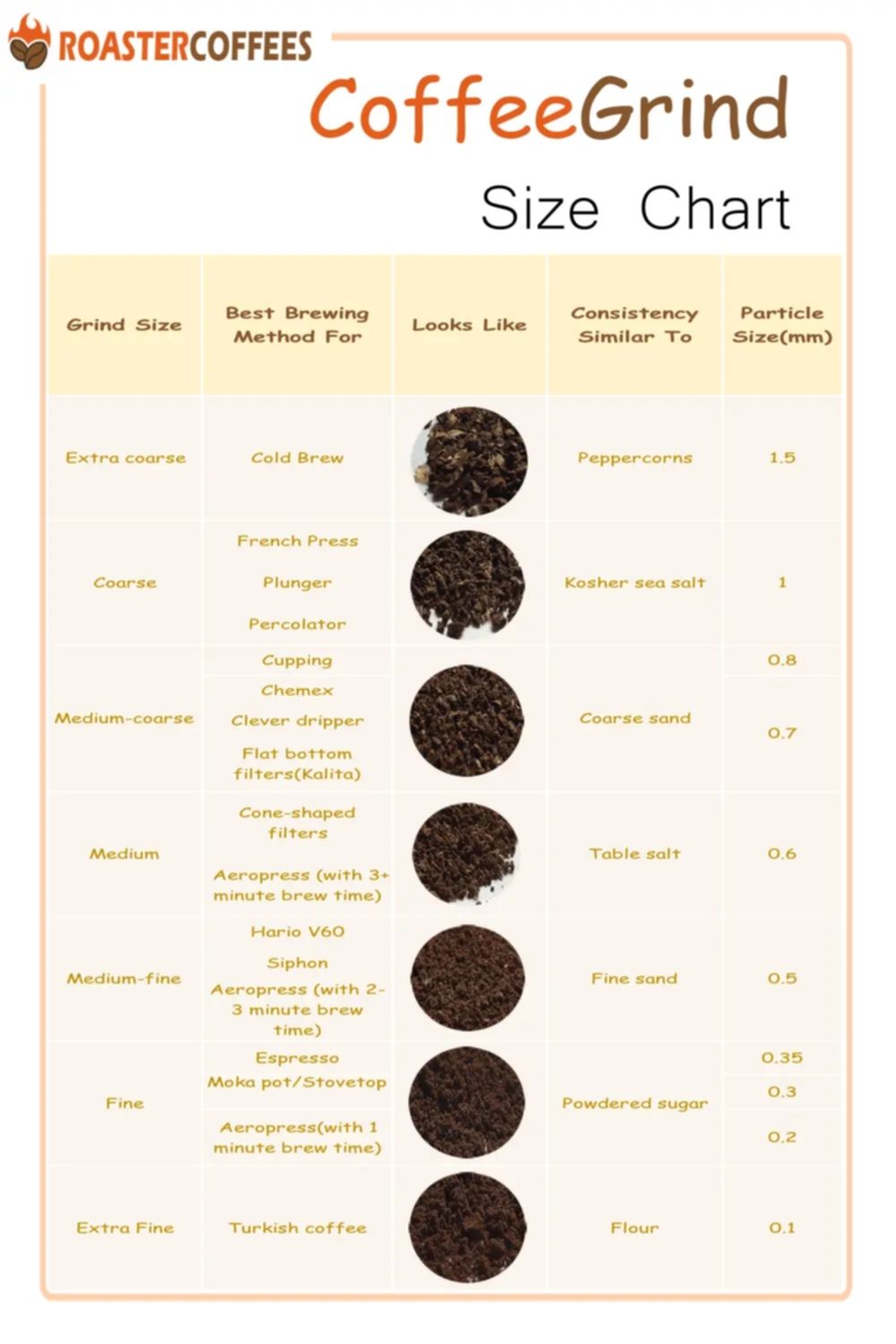
5.2 Grind Size
- Grind size directly affects bitterness:
- Too fine → over-extraction → intense bitterness
- Too coarse → under-extraction → sour and hollow flavors
Dialing in the correct grind size is essential for balancing complexity.
5.3 Water Temperature
Hotter water extracts bitter compounds more aggressively.
Guidelines:
- 90–94°C (194–202°F) for pour-over
- Slightly cooler for delicate coffees (Geisha, Ethiopian heirlooms)
- Extremely hot water (> 96°C / 205°F) often produces scorched or sharp bitterness.
5.4 Brew Ratio and Contact Time
Stronger ratios (e.g., 1:12 instead of 1:16) intensify bitterness and strength. Longer extraction times also increase bitter compound dissolution.
5.5 Water Chemistry
Water high in bicarbonates (hardness) often enhances:
- Harsh bitterness
- Chalky astringency
- Flavor dullness
Optimal water contains balanced minerals that avoid amplifying bitterness.
5.6 Brewing Method
Some brew methods emphasize bitterness more than others:
- Espresso → concentrated and intense bitterness
- French press → heavy-bodied, mild bitterness due to oils
- Pour-over → controlled, refined bitterness
- Cold brew → significantly lower bitterness due to cool extraction
Understanding brewing method dynamics allows precise bitterness control.
6. When Bitterness Becomes a Defect
Not all bitterness is desirable. Defective bitterness is typically:
- Harsh
- Metallic
- Medicinal
- Drying
- Persistently unpleasant
Defective bitterness often signals underlying issues such as:
- Poor roasting
- Low-quality green coffee
- Fermentation errors
- Water quality problems
- Over-extraction
Recognizing the difference between structural bitterness and defective bitterness is key to professional cupping.
7. The Value of Bitterness: Why It Matters in Great Coffee
Bitterness is not merely an attribute—it is a structural element essential to flavor harmony.
7.1 Balance and Complexity
Great coffee contains a triad of:
- Acidity
- Sweetness
- Bitterness
Bitterness provides contrast to acidity, preventing sourness from overwhelming the cup.
7.2 Enhancing Sweetness
Bitterness amplifies perceived sweetness through contrast. This is why:
- Caramel
- Chocolate
- Nougat
- Brown sugar
tastes sweeter when paired with mild bitterness.
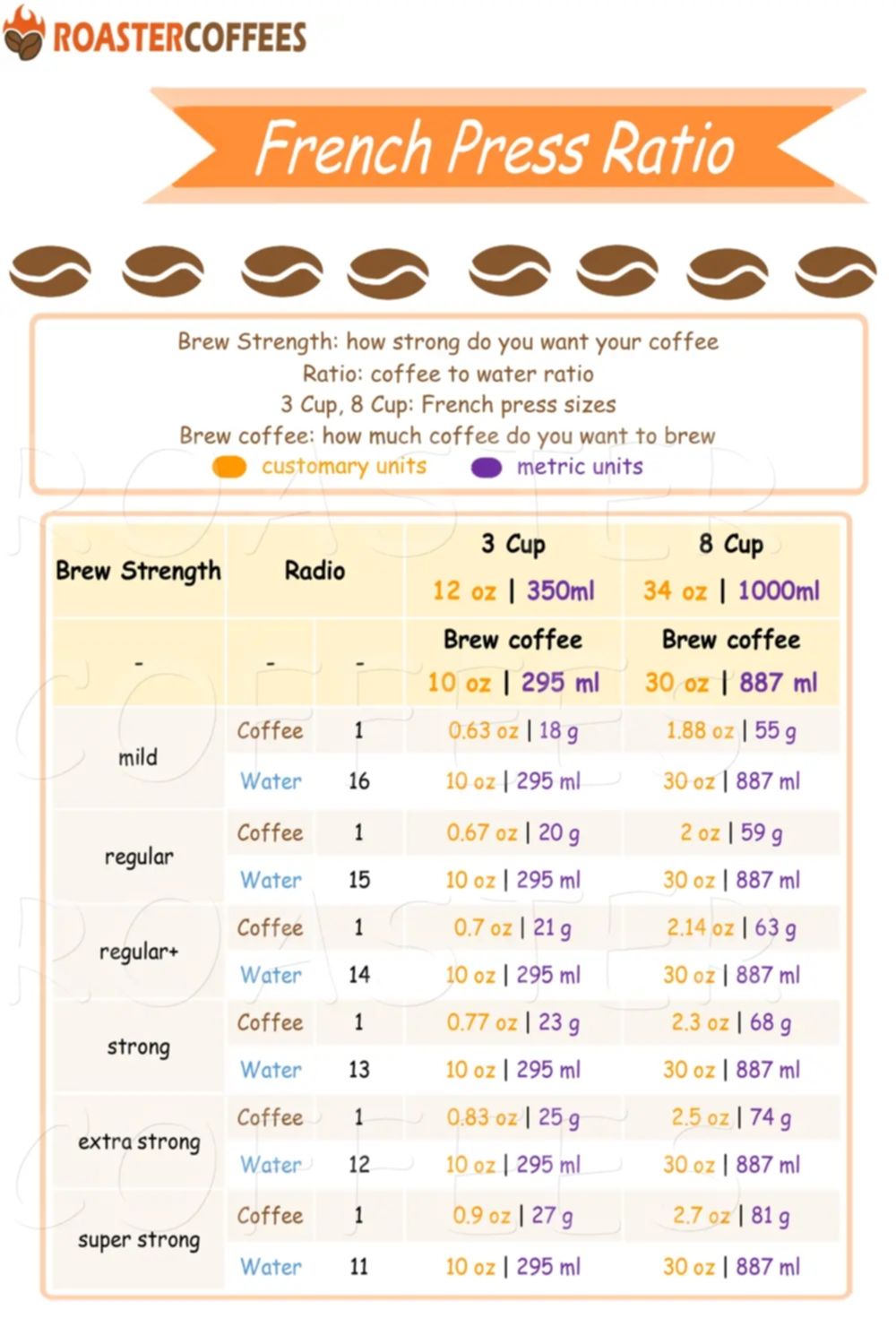
The relationship between French press coffee and bitterness largely depends on factors such as the coffee grind size, brewing time, and coffee-to-water ratio. French press coffee is known for its rich, full-bodied flavor, but without proper attention to these variables, it can easily become overly bitter.
Grind size plays a crucial role in French press brewing. Since the French press uses an immersion method, coffee grounds are in contact with water for an extended period, typically 4-5 minutes. If the grind size is too fine, the water will extract too many bitter compounds, such as chlorogenic acids and phenylindanes, resulting in a harsh, astringent taste. A coarse grind—resembling sea salt—is recommended for French press brewing to ensure that the water can extract the desirable flavors without extracting too many bitter compounds.
The coffee-to-water ratio also significantly impacts the bitterness of French press coffee. A higher coffee-to-water ratio (more coffee grounds for the same amount of water) increases the strength and potential bitterness of the brew, while a lower ratio may result in a weak, under-extracted cup. The ideal french press coffee ratio typically falls between 1:14 to 1:16 (coffee to water), balancing strength and smoothness without overwhelming bitterness.
To prevent excessive bitterness, controlling the brewing time is also important. Over-brewing or steeping the coffee for too long can lead to over-extraction, where too many bitter compounds are released. The brewing time should be consistent—around 4 minutes—to achieve optimal flavor.
In summary, French press coffee can be bitter if the grind is too fine, the ratio too high, or the brew time too long. By adjusting these factors, you can brew a balanced, flavorful cup with minimal bitterness. Referring to a coffee-to-water ratio chart can help you find the right balance for a smooth, enjoyable French press experience.
7.3 Linking Coffee to Other Bitter Foods
Bitterness in coffee mirrors bitterness in:
- Craft beer (hops)
- Fine chocolate (cocoa solids)
- Tea (tannins)
- Citrus peel
Understanding bitterness in these contexts helps coffee professionals appreciate its role.
7.4 Cultural Dimensions of Bitterness
Different cultures embrace bitterness differently:
- Italians appreciate strong espresso bitterness
- Scandinavians favor balance and nuance
- East Asian markets often prefer sweetness over strong bitterness
These cultural preferences influence roasting and brewing styles worldwide.
8. Controlling and Mastering Bitterness in Coffee Preparation
8.1 For Baristas
To manage bitterness, baristas should adjust:
- Grind size
- Water temperature
- Brew ratio
- Shot time (for espresso)
- Coffee freshness
- Water mineral content
8.2 For Home Brewers
Home brewers can reduce bitterness by:
- Using filtered or optimized water
- Reducing steeping time
- Lowering water temperature
- Avoiding stale or oxidized beans
- Grinding just before brewing
8.3 For Roasters
Roasters control bitterness through:
- Maillard development
- Caramelization balance
- End temperature adjustments
- Roasting speed and airflow
- Avoiding thermal damage
8.4 For Cuppers and Sensory Specialists
Cuppers analyze bitterness through:
- Temperature profiling
- Mouthfeel analysis
- Flavor clarity assessment
- Comparison across roast levels and processes
Professional tasters learn to differentiate structural bitterness from phenolic defects.
9. The Future of Bitterness in Specialty Coffee
As the specialty coffee industry evolves, bitterness is being re-evaluated. With increasing interest in:
- Light roasts
- High-elevation coffees
- Geisha and other floral varieties
- Anaerobic fermentations
Overall bitterness levels in premium coffee have decreased. Yet bitterness will always retain an important structural role.
Future research is exploring:
- How fermentation modifies bitter compounds
- Genetic manipulation to optimize balanced bitterness
- Consumer sensory education on appreciating bitterness
- How brewing technology can fine-tune flavor extraction
Bitterness will remain a dynamic field of exploration.
Conclusion: Learning to Appreciate Bitterness
Coffee bitterness is not merely a taste—it is a language. It reveals a coffee’s roast, processing, brewing method, and even its origin. When understood and controlled, bitterness becomes a sophisticated tool that enriches the coffee experience.
Bitterness:
- Adds depth
- Provides balance
- Enhances sweetness
- Supports complexity
- Shapes structure
To truly appreciate coffee, one must learn to appreciate the right kind of bitterness—the kind that elevates, not overwhelms. As we deepen our understanding of bitterness, we move closer to mastering the art and science of coffee itself.
References:
Exploring The World Of Coffee Bean Varieties
Unraveling the Distinction Between Aroma and Flavor in Coffee